
Age Related Muscle Loss in Older Adults

Sarcopenia (age-related muscle loss) is the main cause of health decline in older people. From around the age of thirty, we start to lose muscle at a rate of 3-8% per year, and as we get older, this rate can increase. By the eighth decade of life, we will have lost around 50% of our muscle mass.
Sarcopenia symptoms include frailty, falls, slower walking pace, cognitive decline/dementia, Type 2 Diabetes, fatigue, muscle wastage and difficulty performing daily activities.
As we age, our bodies go through certain changes that play a major role in developing sarcopenia. For instance, your body doesn’t produce the same amount of proteins your muscles need to grow, and therefore there is a decrease in your body’s ability to convert protein into energy. When this happens, your muscle cells get smaller.
In addition, as you grow older, changes in certain hormones, like testosterone and insulin-like growth factor, affect your muscle fibres. This can lead to sarcopenia.
Once you have lost a significant amount of muscle mass, you are far more likely to develop T2 Diabetes because skeletal muscle is one of the target organs for insulin action and insulin resistance.
There are several worldwide studies linking sarcopenia to cognitive decline and dementia. This may be because they share similar risk factors: inflammation, oxidative stress, hormonal changes and malnutrition. Sarcopenia and obesity are thought to be linked to malnutrition due to high consumption of ultra-processed foods.
However, all is not lost!
Sarcopenia can be reversed along with its associated diseases.

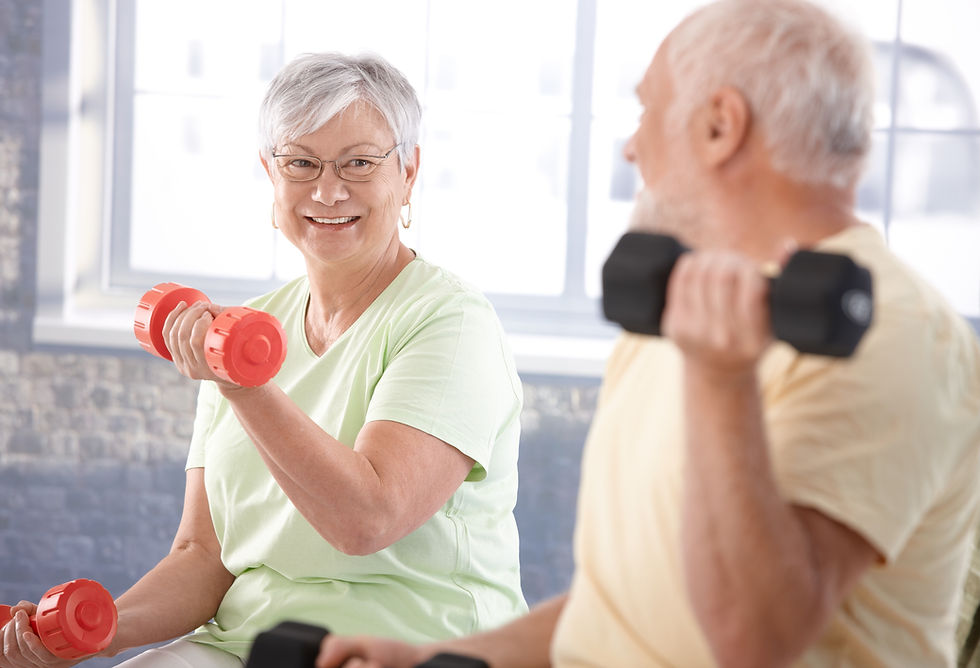
Physical activity is key for everyone but even more important as we age. In particular, strength training for older adults is essential for good health and longevity.
Everyone can build muscle. Even if you are currently chair-based, you can still improve strength. It requires consistent effort, a well-planned program and progression. You need to be aiming to lift heavier as you progress, therefore building lean muscle.
But just as important is nutrition. As we get older, we need to increase our protein, essential amino acids and fat intake. Protein is a factor for muscle growth and energy. Equally, saturated fat is also essential for energy, for your immune system and brain health. It’s not the demon it’s been made out to be since the 1980s.
As we age, our bodies are less responsive to anabolic stimulus of low doses of amino acids. However, this can be overcome with an increase in good-quality protein consumption.

Red meat is the highest quality and most absorbable form of protein and essential amino acids. Beef is your best choice. Choose the fattier, slow-cook cuts (these are also cheaper) or high-fat-content minced beef. Aim for two of your daily meals to be high in protein.
Reduce or even better cut out all ultra-processed foods.
With good nutrition and a well-planned strength training regime, you can prevent or reverse sarcopenia, leading to a longer, healthier, more active, independent life.
Active 60 Plus
Classes throughout Mid Suffolk
Faye 07885 659360
Comments