
Strength Training after 60 changes everything
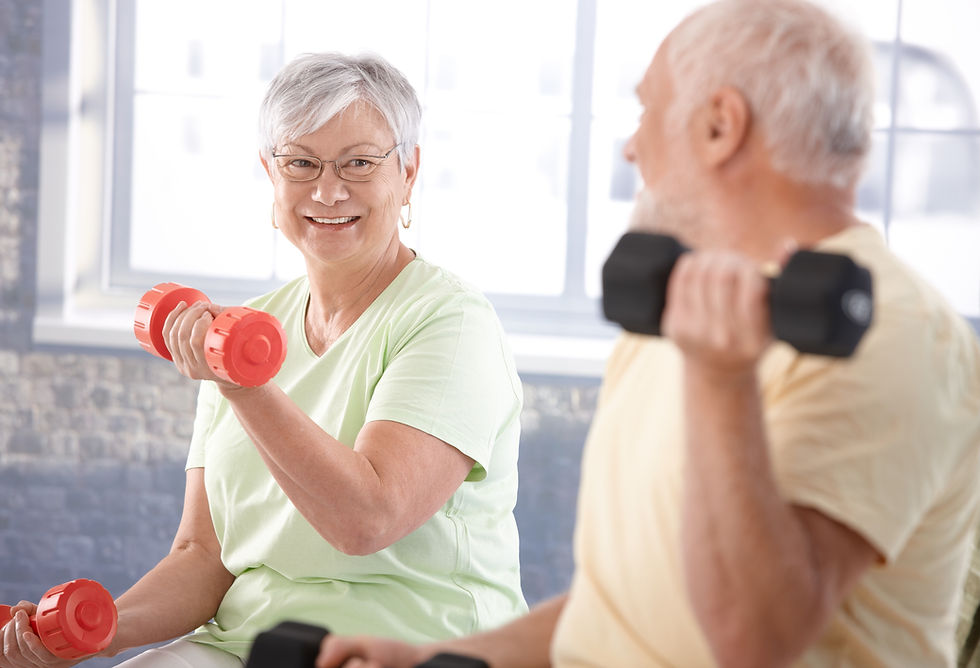
In September 2024, I started an Over 60s Strength Training class in Eye. The driving force was witnessing my mother’s health decline due to frailty.
I have been a Personal Trainer for over 17 years, and much of that time has been spent working with people over 60. I have seen the remarkable progress this age group can make when they strength train properly. What I had not appreciated until recently was the serious impact that not strength training can have on health, independence, and quality of life.
My mum is 79. She has virtually no muscle mass and is slight of frame. As a result, she has type 2 diabetes and has recently been diagnosed with Alzheimer’s.
In older people, muscle is not just for movement - it plays a critical role in blood sugar control. Muscle is where most glucose is stored and used. When muscle mass is lost, the body struggles to manage blood sugar effectively. This worsens type 2 diabetes and leads to high insulin levels. Over time, this same problem affects the brain. The brain becomes less responsive to insulin, a crucial factor for memory, learning, and normal cognitive function. This is why Alzheimer’s is sometimes described as “diabetes of the brain.”
Healthy, active muscle also releases substances that protect the brain and reduce inflammation. When muscle is lost, those protective signals disappear while inflammation increases - a key driver of brain damage and dementia. Frail older adults also have far less physical and metabolic “reserve,” meaning blood sugar swings, illness, or stress hit the brain harder and faster. In short, losing muscle worsens diabetes, diabetes damages the brain, and without muscle, the brain has far less protection. Maintaining muscle later in life isn’t about appearance - it’s about protecting independence, thinking, and long-term brain health.
The Physical Cost of Not Strength Training

The physical consequences of not strength training are significant. Weaker bones, increased fracture risk, joint pain, poor posture, reduced balance, and loss of coordination. Everyday tasks such as standing up from a chair, carrying shopping, climbing stairs, or reaching overhead gradually become harder.
The mental impact is just as important. Loss of strength often leads to anxiety, low mood, reduced confidence, social withdrawal, and a shrinking sense of identity.
Strength Training Changes Everything
The good news is that the body remains remarkably adaptable well into later life. Muscle can be built at any age. Strength can be regained. Balance can improve. Confidence can return.
Over 60s Strength Training classes
Most people who attend my classes have never lifted weights before. Many are nervous about starting and unsure what to expect. By the end of their first session, there is relief, smiles, and hopefully a bit of sweat!
The most rewarding part for me is hearing the success stories, such as carrying something they previously couldn’t or standing on a chair without fear. These may sound like small wins, but they are huge for daily life and, more importantly, for self-belief.
Protein: The Missing Piece
Strength training alone is not enough. Muscle cannot be built or maintained without adequate protein.

As we age, we become less efficient at absorbing and utilising protein, meaning we actually need more high-quality, bioavailable protein than when we were younger. Animal-based protein sources such as meat, fish, eggs, and dairy are the most absorbable and complete. Without sufficient protein, the body lacks the essential raw materials needed to build and maintain muscle.
A Different Way to Age
Strength training is not about pushing limits or chasing unrealistic goals. It’s about building a body that supports you in living fully for years to come.
Strength training doesn’t just add years to life. It adds life to years.
Active 60 Plus
Classes throughout Mid Suffolk
Faye 07885 659360

Comments